

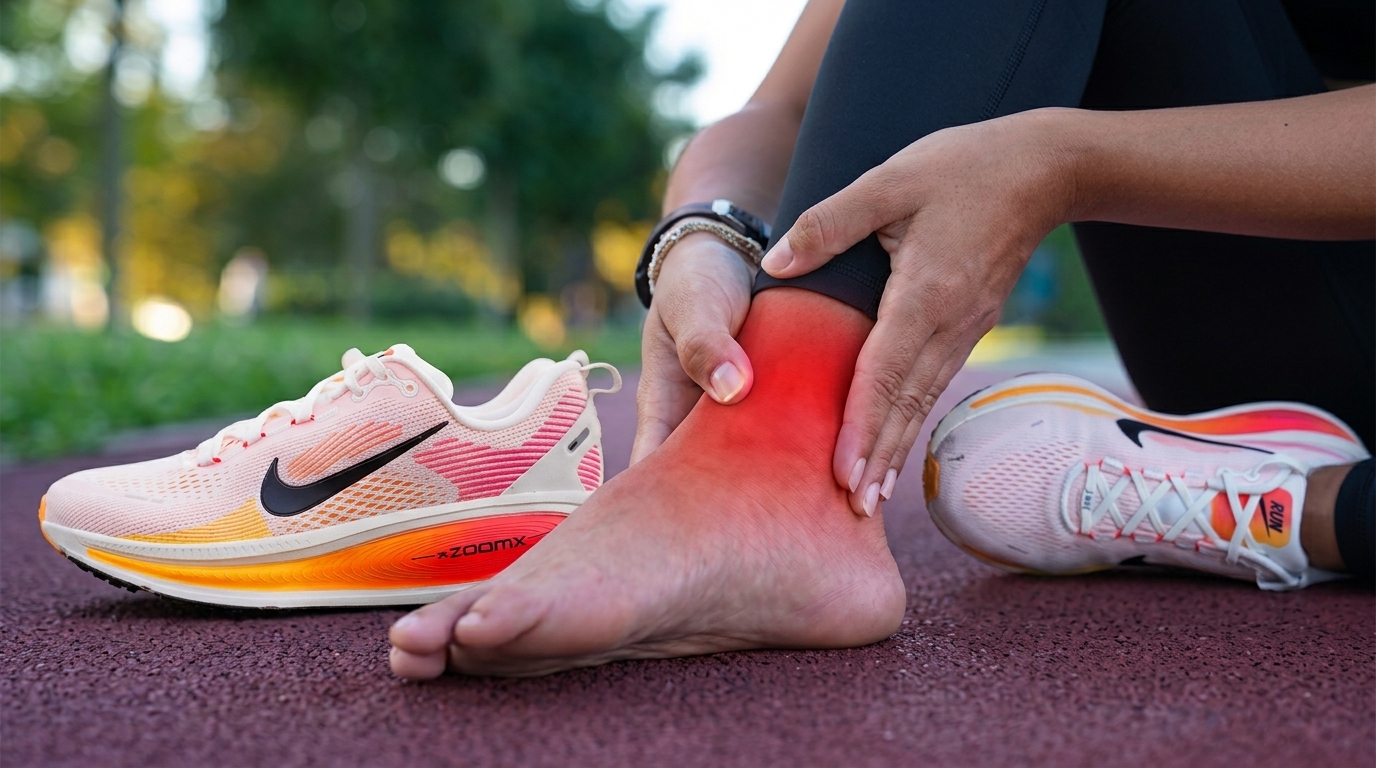

Every runner knows the immediate panic of a sudden injury. Whether it is a rolled ankle on a technical trail, a sudden hamstring pull during speedwork, or a flare-up of an old Achilles injury, our instinct has long been to reach for an ice pack and a bottle of ibuprofen. To heal faster and build a more resilient body, runners need to ditch RICE and adopt the modern standard: PEACE & LOVE.
Every runner knows the panic of a sudden injury, but traditional advice like RICE (Rest, Ice, Compression, Elevation) is actively stalling your recovery. Discover why modern sports science favors the PEACE & LOVE protocol to manage acute trauma, protect tissue regeneration, and get you back on the road stronger.
Why the RICE Protocol is Hurting Your Mileage
The RICE protocol was coined in 1978, but even its original creator, Dr. Gabe Mirkin, has since walked back the advice. The primary flaw lies in how rest and ice interact with the body's natural healing mechanisms:
- Inflammation is necessary for repair: When you sustain a soft tissue injury (like an ankle sprain), your immune system releases growth factors and inflammatory cells to clear out damaged cells and signal the body to start rebuilding tissue.
- Ice stalls the cleanup crew: Applying ice constricts blood vessels (vasoconstriction). While this temporary reduction in blood flow reduces local pain, it also prevents essential healing factors from reaching the site. Ultimately, this lengthens your total recovery timeline and weakens the rebuilt tissue.
Inflammation is a necessary process for tissue repair; by icing an injury, you are effectively stalling the body's internal cleanup crew.
Immediate Acute Care: Give Your Injury PEACE (Days 1–3)
The first phase of the protocol focuses on acute management during the initial 24 to 72 hours after an ankle roll occurs.
- P – Protection: Stop running immediately. Minimize weight-bearing and restrict aggressive movement for the first few days to protect injured tissues from further damage.
- E – Elevation: Elevate the injured ankle higher than your heart as often as possible. This uses gravity to safely drain excess fluid and swelling out of the foot without blocking the healing process.
- A – Avoid Anti-Inflammatories: Skip the ibuprofen, naproxen, and ice packs. Non-steroidal anti-inflammatory drugs (NSAIDs) inhibit the pathways necessary for optimal tissue recovery. If pain management is essential for sleep, opt for acetaminophen instead.
- C – Compression: Use an elastic bandage, compression sleeve, or kinesio tape to limit joint swelling. Compression maintains tissue integrity while allowing necessary processes to occur.
- E – Education: Listen to your body and set realistic expectations. Avoid rushing to get expensive, unnecessary imaging unless recommended by your doctor or physical therapist. Active recovery always outperforms passive treatments.
Long-Term Recovery: Infuse Your Rehab with LOVE (Day 4+)
Once the acute 72-hour window has passed, soft tissues require active physical stress to align new fibers along functional stress lines. This is where long-term management begins.
- L – Loading: Runners hate staying still, and science agrees you shouldn't. As soon as pain allows, gradually introduce mechanical load. Gentle weight-bearing and controlled ankle range-of-motion stimulate cellular repair, ensuring the healing tissues can handle running loads later.
- O – Optimism: Your brain heavily influences pain and recovery. Catastrophizing an injury increases stress hormones like cortisol, which slow down tissue repair. Staying positive helps keep recovery on track.
- V – Vascularization: Keep your cardio fitness up without overloading the injury. Choose pain-free cross-training like swimming or cycling. Pumping oxygen-rich blood to local tissues speeds up the remodeling phase.
- E – Exercise: Transition into a structured, active rehabilitation program focusing on ankle mobility, balance, and dynamic stability.
The Missing Link: Integrating the Hips in Ankle Rehab
A major mistake runners make during ankle recovery is focusing exclusively on the foot.
An ankle sprain disrupts the feedback loop of your entire kinetic chain. Surrounding muscles — including those in your hips — temporarily switch off or lose strength. If you rehab the ankle without retraining the hip, your body will constantly compensate on every footstrike. That is how a single rolled ankle turns into chronic instability, shin splints, or plantar fasciitis down the road.
The Bottom Line
While RICE was a simple rule of thumb, it treated short-term pain reduction as the ultimate goal rather than true tissue recovery. By adopting PEACE & LOVE, you honor your body's natural biology, build stronger tissue, and significantly reduce your time on the sidelines.
For more information and guidance on fully rebuilding your strength following an ankle injury, check out The Ultimate Strength Training for Runners
Need the right support?
Use our AI fit process to find footwear that complements your foot and can assist you as you rebuild your stride.
Find your fit